

Is Reactivity Stealing Your Peace?
By Katherine Heatley, CLC
In my life coaching practice, one of the more common goals clients share with me is a desire to be less “reactive.” They want to stop letting their emotions take control, especially in situations where they feel hurt, disrespected, or overwhelmed. Whether it’s an insensitive comment from a partner, a rude coworker, or feeling blindsided by last-minute work demands, reacting impulsively is a habit many of us fall into—only to regret it later. Sound familiar?
It’s only human to want to defend ourselves when we feel attacked, whether it’s in the form of a sharp remark, an unfair demand, or an unexpected confrontation. However, reacting on impulse often leads to feelings of shame, regret, and sometimes even fractured relationships. And the question that comes up for many of us is, “was it worth it?” And even more importantly, “what are the long-term consequences of reacting without thinking?
How Reactivity Shows Up in Our Lives
We’ve all experienced moments when we feel pushed to our limit, and suddenly, we lash out. A coworker interrupts you in a meeting, making you feel overlooked. Your boss dumps a last-minute project on you with a tight deadline. Or maybe you’re driving home from work, and someone cuts you off in traffic—igniting a wave of frustration and anger.
In these moments, it’s easy to allow our emotions to take control and react on autopilot. But afterward, we’re often left with a sense of discomfort or even regret, asking ourselves, “Could I have handled that differently?”
One client of mine, Jennifer, is a great example of this cycle. Jennifer worked at a high-level role at a tech company and was incredibly talented, but she struggled with self-doubt, especially when it came to speaking up for herself at work meetings. Despite her expertise, she often held back because she feared her ideas weren’t valuable or worthy of attention.
But the real issue wasn’t just her silence in meetings— it was the feelings of inferiority that she was bottling up and letting fester within her that led to her reactivity. In one-on-one interactions when colleagues talked over her or didn’t take her input seriously, Jennifer would snap, reacting in anger or frustration. It felt satisfying in the moment, but afterward, she felt ashamed and powerless.
This behavior became a barrier to her professional growth. Jennifer realized that her reactivity not only made her feel miserable but was also jeopardizing her chances for promotions. Together, we worked on building her confidence and empowering her to speak up in meetings. Over time, she was able to respond more calmly and thoughtfully in challenging situations, creating an entirely new dynamic at work. She felt lighter, more in control, and much more at peace with herself.
The Hidden Cost of Reactivity
I’ve been there myself—letting emotions take the wheel and acting without thinking. I’ve lashed out at partners, friends and even strangers in moments of hurt or frustration. Each time, I replayed those moments in my head, sometimes for days. I let my emotional reactions consume me, stealing my peace and giving my power away to the other person or the situation.
Looking back at these instances, I realize that if I had taken a moment to pause and respond more mindfully, the outcome could have been entirely different. Instead of feeling consumed by negative emotions, I would have saved myself time, energy, and unnecessary conflict. And most importantly, I would have protected my inner peace.
Reacting impulsively can have serious consequences in both our personal and professional lives. Whether it’s a strained relationship with a loved one, a lost opportunity for career advancement, or simply feeling drained from emotional outbursts, reactivity can steal our peace and hold us back from living our best life.
How to Respond Mindfully Instead of Reacting
So, what can we do to break the cycle of reactivity and cultivate more peace in our lives? Here are some strategies that can help:
- Take a Pause: The first step is simple—take a moment to step away from the situation. If possible, physically remove yourself from the trigger. Give yourself a few minutes to breathe and calm down before responding.
- Deep Breathing: Take 3-5 slow, deep breaths. This helps reset your nervous system and puts you back in control of your response.
- Practice Meditation: Meditation is a powerful tool for calming the mind and creating space between stimulus and reaction. Even just a few minutes each day can make a big difference in your ability to stay grounded in difficult situations.
- Engage in Mindfulness Activities: Yoga, deep breathing, or spending time in nature are excellent ways to train your mind to stay present and centered, to prepare you to remain calm and present during triggering events.
- Journal Your Feelings: When you feel triggered, take time to write down your thoughts and feelings. Journaling helps you process emotions and gain clarity on why you felt the way you did. It can also help you identify patterns and triggers, so you can address them proactively.
- Shift Your Perspective: Ask yourself, what is this moment really about? Sometimes, taking a step back and considering the bigger picture can help you respond with more empathy and understanding, rather than reacting out of frustration or hurt.
The Power of Mindful Responses
Changing your reaction patterns won’t happen overnight, but with consistent practice, it can lead to profound shifts in your life. When you respond with mindfulness and self-awareness, you gain more control over your emotions, improve your relationships, and create more peace in your everyday interactions.
By taking a pause and choosing your response carefully, you can stop letting reactivity steal your peace. Instead, you can reclaim your power and respond in a way that reflects the calm, confident person you truly are.
Ready to Break Free from Reactivity?
If you’re struggling with being overly reactive in your personal or professional life, consider working with a life coach to develop healthier communication patterns and find more peace in your day-to-day interactions. With the right tools and support, you can create lasting change and take back control over your responses, leading to a more peaceful and empowered life.
Learn More
Taking Back Your Power
Our personal power is one of the most precious gifts we possess. When we learn to harness it, we open the door to greater fulfilment and success. However, we often give this power away without even realizing it, leading to feelings of defeat and self-doubt. So, let’s explore what might be siphoning our personal power and how we can reclaim it.
Every day, we encounter various interactions—whether with family, co-workers, friends, or even through social media. Each of these interactions can leave a lasting impact, affecting our emotions in positive, negative, or neutral ways. Too often, we rush through our days, unaware of the lingering feelings we carry, especially the negative ones. It’s those “sticky” situations that can drain our power the most.
Consider this: Have you ever dealt with a bullying co-worker? Or have you found yourself comparing your achievements to someone else’s highlight reel online? Perhaps you’ve experienced a friend’s underhanded comments or felt taken advantage of by a family member. Each of these scenarios can lead to feelings of inadequacy or self-doubt, making us believe we’ve done something wrong. But when we challenge our thoughts, we often realize it’s not about us at all; it’s the other person’s insecurities or our own fears trying to protect us from failure.
So, how do we take our power back?
- Speak Up: When you’re treated poorly, don’t hesitate to express how it makes you feel. Setting boundaries is a crucial step in reclaiming your power.
- Limit Social Media Exposure: If scrolling through feeds makes you feel anxious or inadequate, take a break. Protecting your mental space is essential for maintaining your sense of self-worth.
- Face Your Fears: Acknowledge the fear that comes with stepping out of your comfort zone, but don’t let it paralyze you. Embrace the courage to try new things despite the fear.
- Reflect and Reframe: When negative feelings arise, take a moment to reflect. Ask yourself what you can learn from the situation and how it may not be a reflection of your worth.
Remember, you are powerful, and you have the right to use that power in ways that serve you best. It’s time to reclaim what’s yours and step into the life you truly want. Embrace your strength, and let it guide you toward fulfilment and success. You’ve got this!
Katherine Heatley, CLC
Empowerment Coach
Learn More
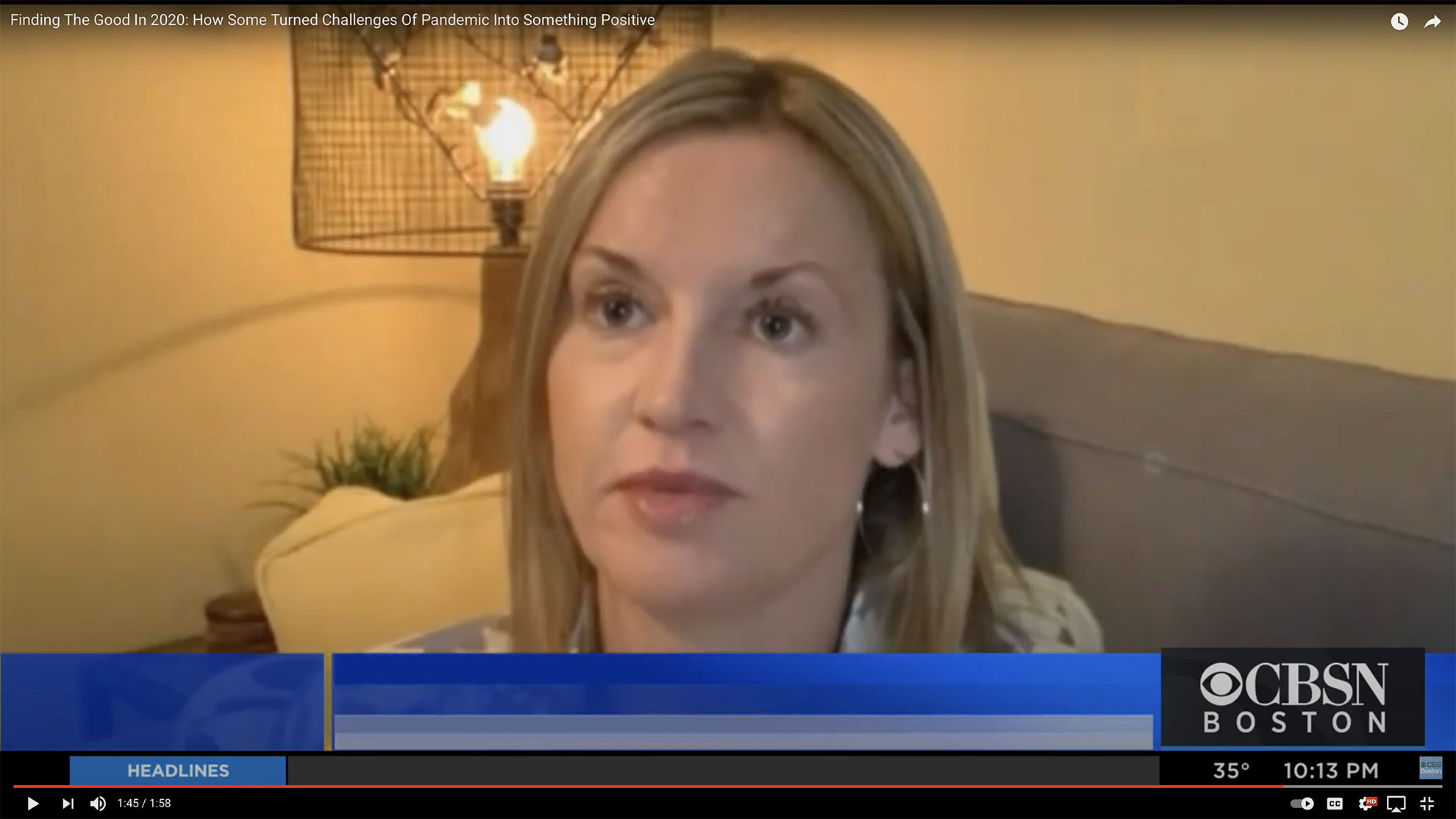
Featured on CBS News
Here I talk about reflecting on 2020 and how to enter into 2021 in a healthy and positive way.
\\Whether at home or outside, folks had to adjust and make the most out of 2020. WBZ-TV’s Paul Burton reports.
Learn More
How to Meditate – its easy
A welcome to Meditation:
In this video, I teach you 2 very simple ways to meditate. I first learned to meditate at the Shambala Buddhist center in Brookline, MA. These centers are located all around the US and are completely free to attend.
Check out the Video:
Learn More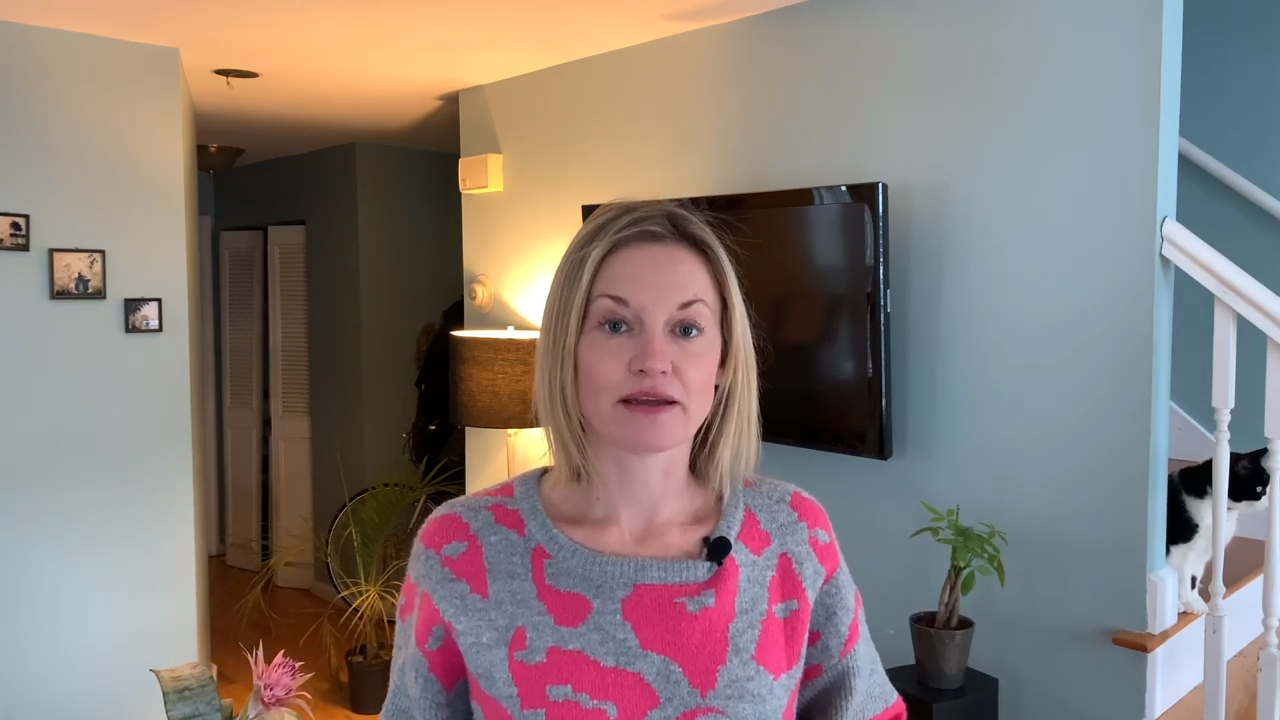
Career Change -Taking the Scaries Out of Making a Career Change
In this video we talk about how a startling stat might just be a wake-up call for new Career Change. We talk about how to figure out what that new move should be and how to take steps toward realizing it. Thank you for watching and I hope you enjoy!
Find out more about Life Coaching on my page.
Learn More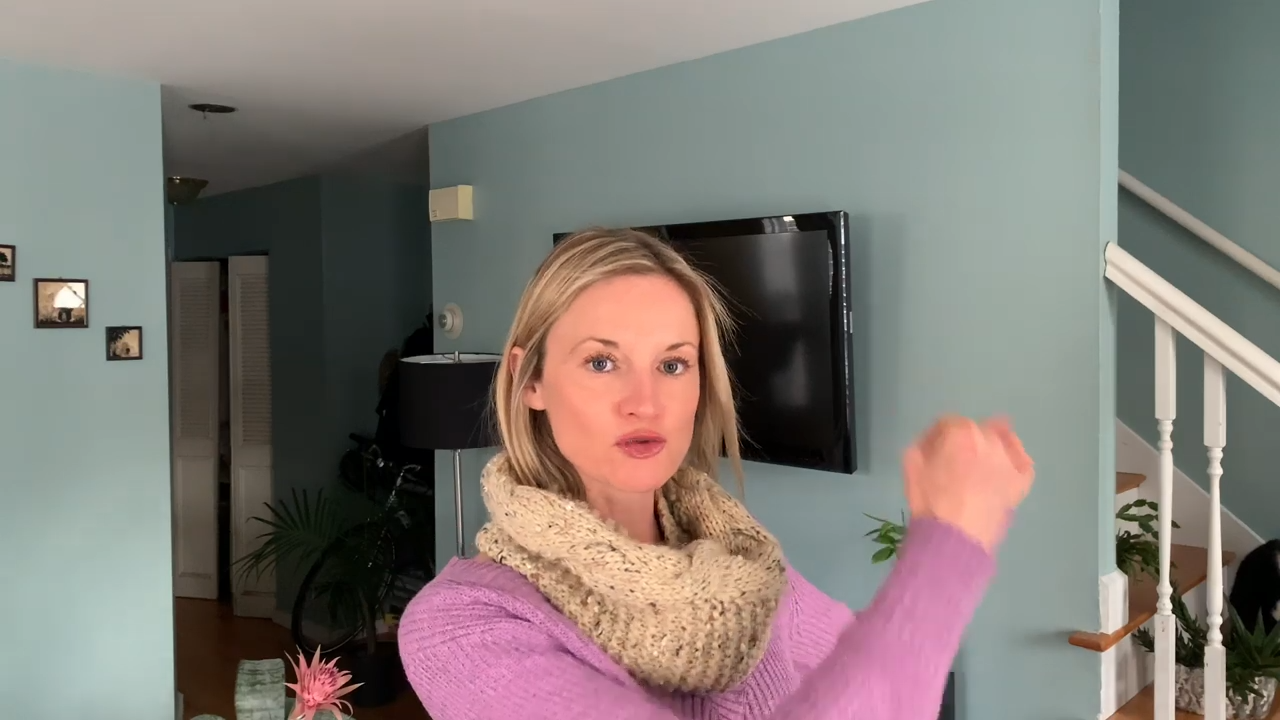
Change things up!
In this video we talk about practical ways to see New Years resolutions through, that actually work! Make sure to watch til the end : )
Enjoy,
Katherine

Have you tried reiki?
It’s hands-on energy healing technique that promotes relaxation, a sense of well-being, a healthy immune system and much more. I have been a reiki practitioner for 4 years and am now offering it out of my home. If you haven’t tried it I highly suggest it. I can honestly say that reiki has changed my life. I am taking all Covid safety measures during sessions. FB message or text me at (617) 650-1924 to make an appointment. ??
Learn More
Do you suffer from Anxiety – Talk to me
Are you going about your everyday life with anxiety in your chest or a pit in your stomach? Most often it is caused by holding back your truth and not fully expressing yourself to friends, loved ones, and colleagues. We bury our feelings way down so that nobody will judge us. Coaching can be a great healer for this issue. It gives you the tools and skills you need to live free of these negative feelings. Message me for a complimentary 20-minute session.  ??
Learn More

Talk About Your Mental Health
The weekend is here! Some of us have it off and some of us have to work. No matter where you are or what you’re doing this weekend being in the present moment will make it so much more worthwhile.
How do we do that? By tuning into our senses. What do you seeing right now? What are you hearing? What are you feeling? What scents are noticing? What are you tasting? You are here right now ??
Learn More